

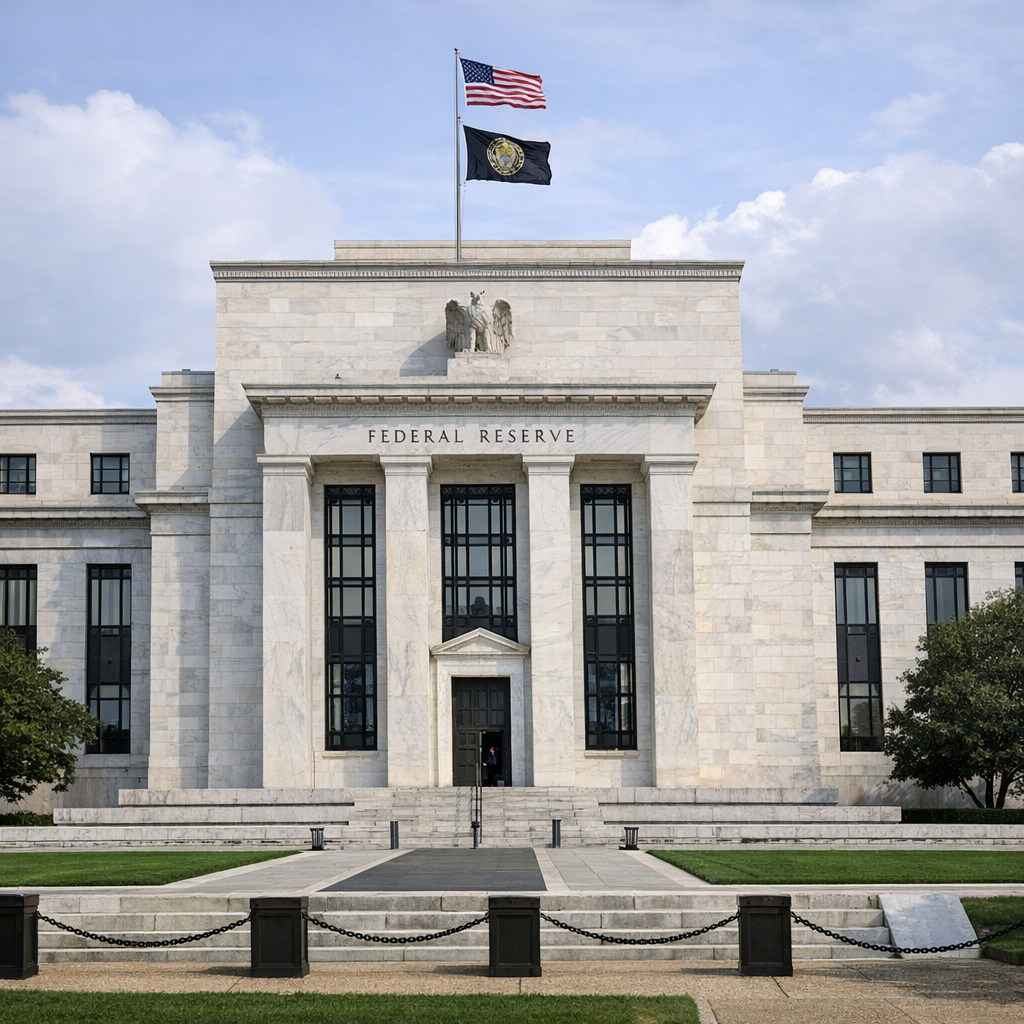
The Federal Reserve, often referred to as the Fed, serves as the central bank of the United States. Established in 1913, its primary objectives include managing inflation, maximizing employment, and stabilizing interest rates. Understanding the Fed’s role is crucial for comprehending how monetary policy influences the broader economy.
Key Functions of the Federal Reserve
Monetary Policy Implementation
The Fed regulates the nation’s money supply and interest rates to achieve economic stability. By adjusting the federal funds rate—the interest rate at which banks lend to each other overnight—it influences borrowing costs for consumers and businesses, thereby affecting spending and investment.
Supervision and Regulation
Ensuring the safety and soundness of the banking system is another critical function. The Fed supervises and regulates banks to promote a stable and efficient financial system, protecting consumers and maintaining public confidence.
Financial Services
The Federal Reserve provides essential services to depository institutions, the U.S. government, and foreign official institutions. These services include processing payments, distributing currency and coin, and managing the nation’s payment systems.
Impact on the Economy
Decisions made by the Federal Reserve have far-reaching effects on the economy. For instance, lowering interest rates can stimulate economic growth by making borrowing cheaper, encouraging spending and investment. Conversely, raising rates can help cool an overheating economy and control inflation.
Recent actions by the Fed, such as adjusting interest rates in response to economic indicators, demonstrate its ongoing commitment to balancing growth and inflation. These measures directly influence employment rates, consumer prices, and overall economic health.
Conclusion
Understanding the Federal Reserve’s role provides insight into the mechanisms that drive the U.S. economy. Its policies and decisions are pivotal in shaping economic conditions, affecting everything from mortgage rates to job availability. Staying informed about the Fed’s actions can help individuals and businesses make better financial decisions in an ever-changing economic landscape.