

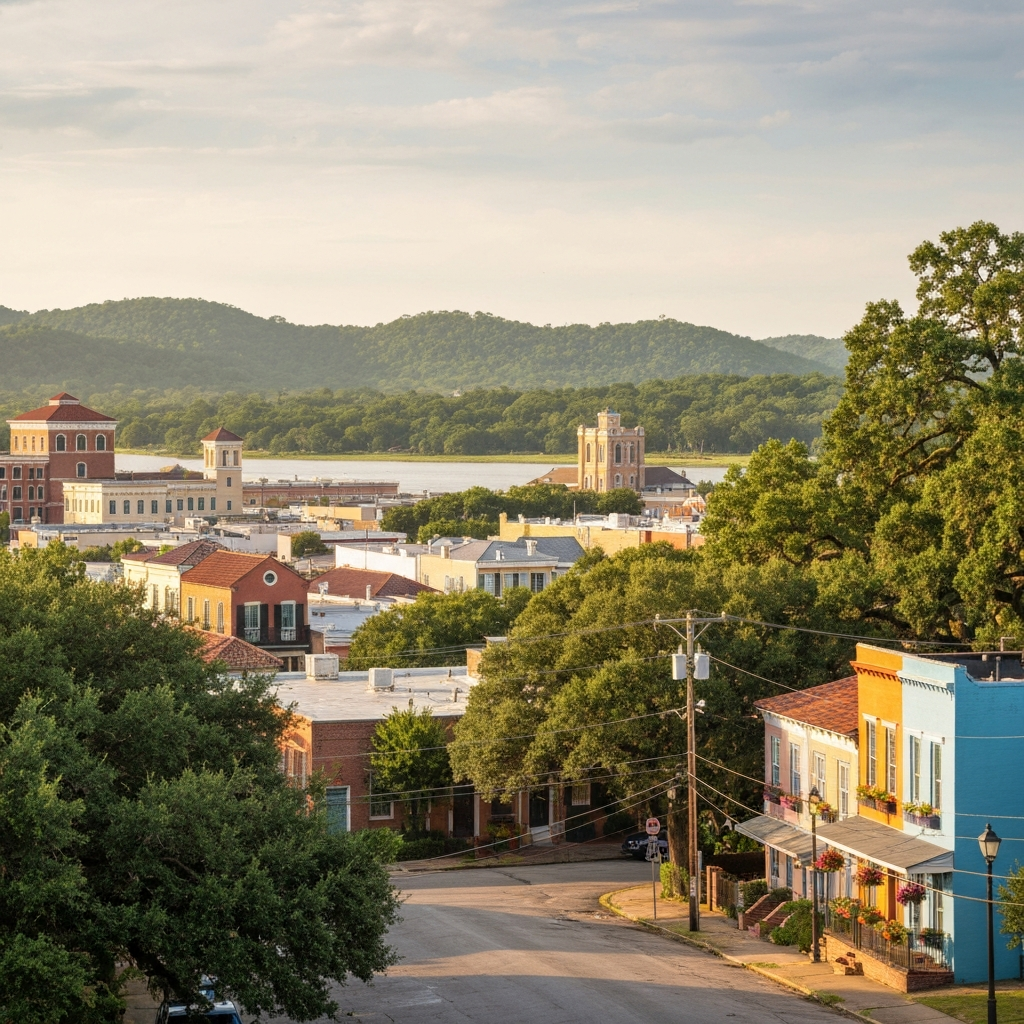
Lafayette, Louisiana, is characterized by a humid subtropical climate, offering residents and visitors a diverse range of weather conditions throughout the year. Understanding these patterns can help in planning activities and appreciating the region’s natural environment.
Seasonal Weather Patterns
Spring (March to May)
Spring in Lafayette brings mild temperatures, with average highs ranging from 71.9°F (22°C) in March to 84.7°F (29°C) in May. This season is often accompanied by increased rainfall and occasional severe weather, including thunderstorms. It’s a vibrant time as flora blooms and outdoor activities become more favorable.
Summer (June to August)
Summers are hot and humid, with average highs peaking at 91.6°F (33°C) in August. Afternoon showers and thunderstorms are common, providing brief relief from the heat. The Gulf of Mexico influences the climate significantly during this period, contributing to the high humidity levels. Residents should also be mindful of the hurricane season, which runs from June 1 to November 30.
Fall (September to November)
Autumn offers a gradual cooling, with average highs decreasing from 88°F (31°C) in September to 70.9°F (22°C) in November. This season is typically drier, making it an excellent time for outdoor events and festivals. The reduced humidity and comfortable temperatures are appreciated by many.
Winter (December to February)
Winters are generally mild, with average lows around 43.5°F (6°C) in December and highs reaching 65.2°F (18°C) in February. While snowfall is rare, occasional cold fronts can bring temperatures below freezing. It’s advisable to stay updated on weather forecasts during these months.
Environmental Considerations
Lafayette’s proximity to the Gulf of Mexico makes it susceptible to tropical storms and hurricanes. The hurricane season extends from June through November, necessitating preparedness and awareness among residents. Additionally, the region’s high humidity and precipitation levels contribute to lush landscapes but also require attention to drainage and flood management.
Understanding Lafayette’s climate is essential for both residents and visitors to make informed decisions and fully enjoy what the region has to offer throughout the year.