
By Ethan Landry
Growing Executive Authority and Supreme Court Rulings
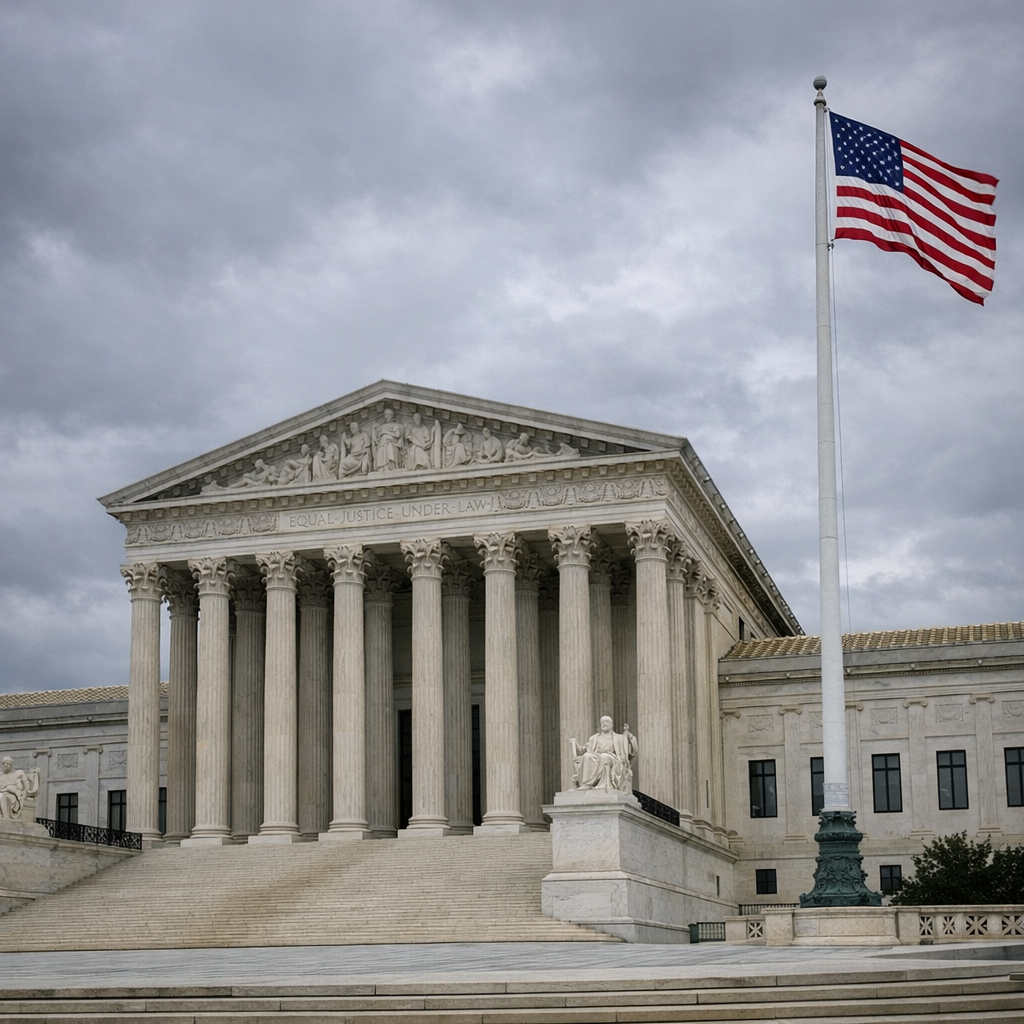
In recent months, the U.S. Supreme Court has issued several decisions that, together, expand presidential authority while reducing some of Congress’s oversight over the federal bureaucracy. Notably, the justices struck down a longstanding legal precedent that protected officials at independent agencies—such as the Federal Trade Commission—from being removed without cause, thereby strengthening executive reach over regulatory bodies. One exception was preserved: Congress retains the power to limit removal authority involving the Federal Reserve, viewed as vital for monetary policy’s independence. These shifts are being closely watched by investors and legality scholars alike, given their implications for governance and stability.
Why This Matters for National Policy
- Presidential control over rule-makers can speed up implementation of administration priorities, especially in regulation and enforcement.
- Congress’s reduced role in setting or limiting these powers raises questions about checks and balances, especially when policymaking intersects with controversial topics like tariffs and agency rulemaking.
- For ordinary Americans, these rulings could affect everything from consumer protections to environmental regulations and business oversight.
Economic Mood: Persistent Concerns Amid Modest Growth
Public confidence in the U.S. economy remains cautious—if not deeply worried. Recent studies show many Americans view the cost of living, housing, healthcare, and inflation as serious or worsening challenges. While some key economic indicators—such as GDP growth and labor force participation—reflect resilience, most citizens don’t yet feel the benefits. When asked to rate the state of the economy, only a minority say conditions are “excellent or good,” and many expect things to worsen in the near term.
The GOP Trifecta: Promise vs. Practical Obstacles
Following the 2024 elections, Republicans gained control of the presidency and both chambers of Congress—the so-called GOP trifecta. In theory, that should make passing legislation easier. In practice, lawmakers face internal divisions, tight margins in both the House and Senate, and an array of pressing issues that many voters expect addressed before the next elections.
Top Legislative Challenges Ahead
- Reauthorizing funding for surface transportation and infrastructure programs.
- Overhauling safety nets and drafting a farm bill.
- Passing laws tackling election procedures, transparency, and whistle-blower protections.
- Managing national defense spending and ensuring government isn’t forced into disruptive funding gaps before elections.
What Lafayette-Area Readers Should Watch
Even from Lafayette, these national trends carry impact. Changes in regulation can affect industries prominent in our region—energy, trade, agriculture—while shifts in economic mood often influence consumer behavior, interest rates, and job markets. Understanding how power is being redistributed between the branches of government can help in anticipating policy changes that affect local taxes, infrastructure funding, and federal programs.
In the months ahead, close attention should be paid to new Supreme Court sessions, legislation on voting rights and economic regulation, and real-world signs of whether households begin to feel economic recovery—especially in housing and essentials prices. These intersection points—between law, politics, and everyday life—are where national news becomes local reality.