

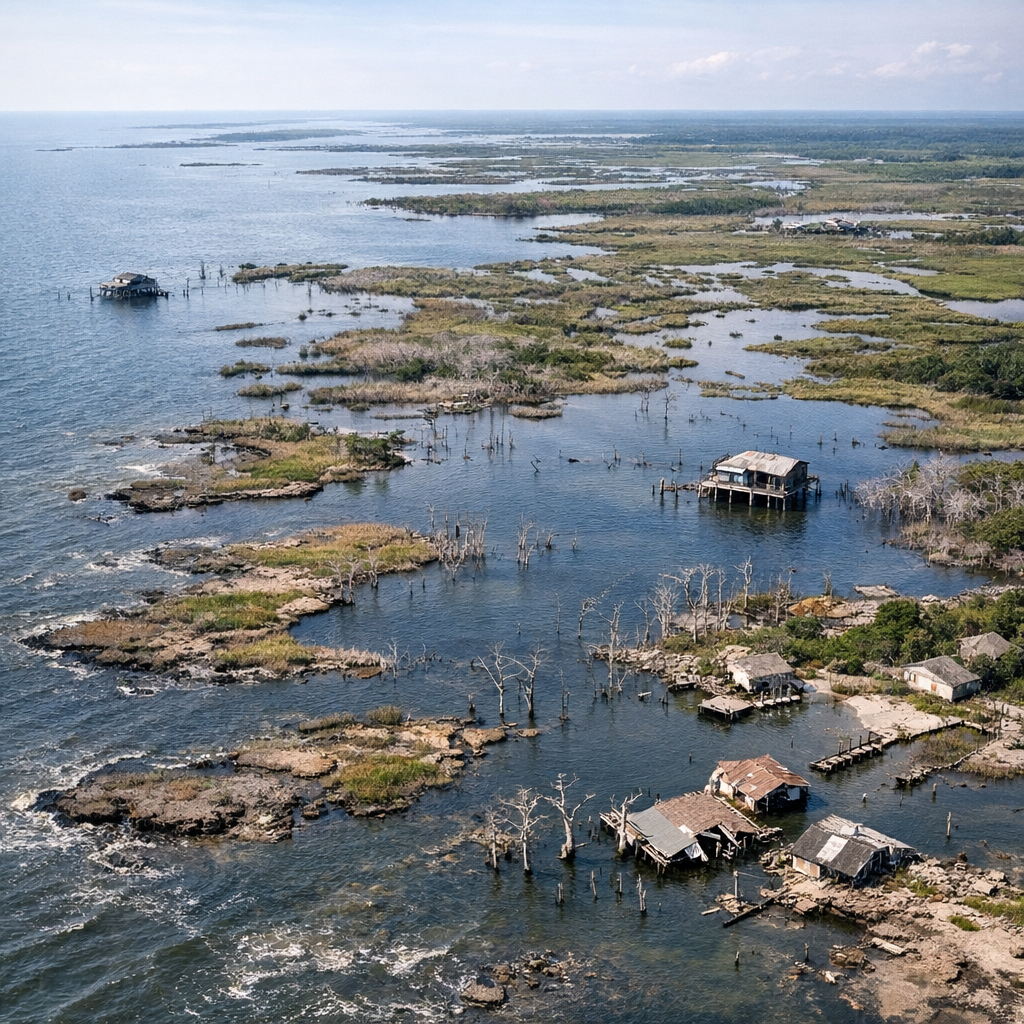
As global climate patterns continue to evolve, Louisiana is experiencing significant environmental changes that impact our communities, economy, and way of life. Understanding these global trends and their local effects is crucial for developing strategies to mitigate risks and adapt to new realities.
Rising Temperatures and Altered Weather Patterns
Studies indicate that Louisiana is among the states most vulnerable to the adverse effects of climate change. The United States Environmental Protection Agency (EPA) notes that the state is likely to experience increased temperatures, leading to more frequent and severe heatwaves. This warming trend can exacerbate drought conditions, affect crop yields, and increase the risk of heat-related illnesses among residents.
Sea-Level Rise and Coastal Erosion
Louisiana’s coastline is particularly susceptible to rising sea levels, a consequence of global climate change. A study published in Nature Communications highlights that rising seas threaten approximately 1,700 sites in the state, increasing the risk of flooding and potential toxic leaks. This situation poses significant challenges for coastal communities, infrastructure, and industries reliant on stable environmental conditions.
Impact on Agriculture and Fisheries
The state’s agriculture and fisheries sectors are also feeling the effects of changing climate patterns. Prolonged droughts and increased temperatures can lead to reduced crop yields and stress on livestock. Additionally, alterations in water temperatures and salinity levels affect fish populations, impacting both commercial and recreational fishing activities. For instance, the Louisiana Department of Wildlife and Fisheries has reported that silt accumulation in Big Lake is adversely affecting the oyster population, a situation exacerbated by environmental changes and industrial activities.
Community Resilience and Adaptation
In response to these challenges, Louisiana communities are focusing on building resilience and adapting to the changing environment. Efforts include implementing sustainable agricultural practices, investing in coastal restoration projects, and enhancing infrastructure to withstand extreme weather events. Public awareness and education campaigns are also vital in preparing residents for the impacts of climate change and promoting proactive measures to safeguard our state’s future.
By staying informed about global climate trends and their local implications, we can work together to develop strategies that protect Louisiana’s environment, economy, and communities for generations to come.